
Ceramics seems clear, relevant, being at the same time in the periphery and in the contemporary; determined to be a thing in a time when most information is mediated, incredulous and unreliable.
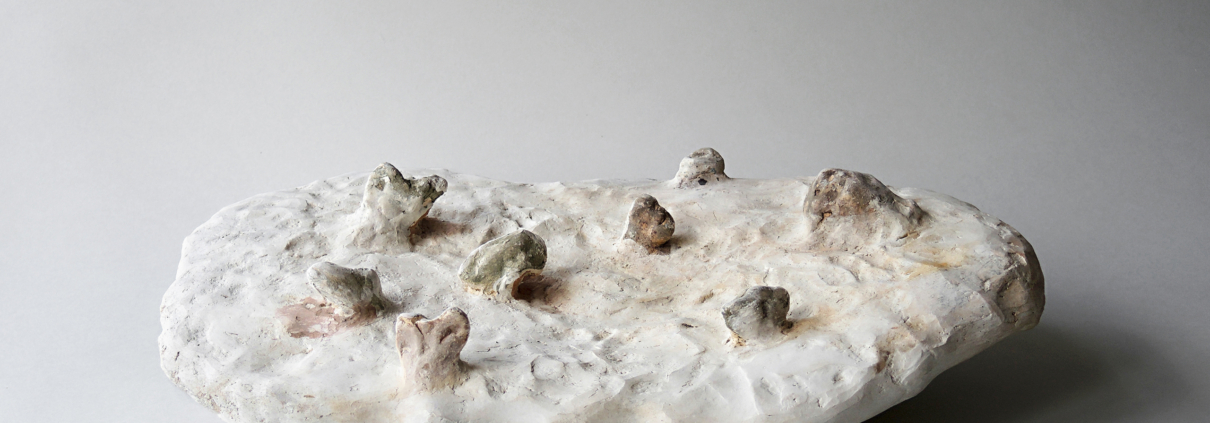
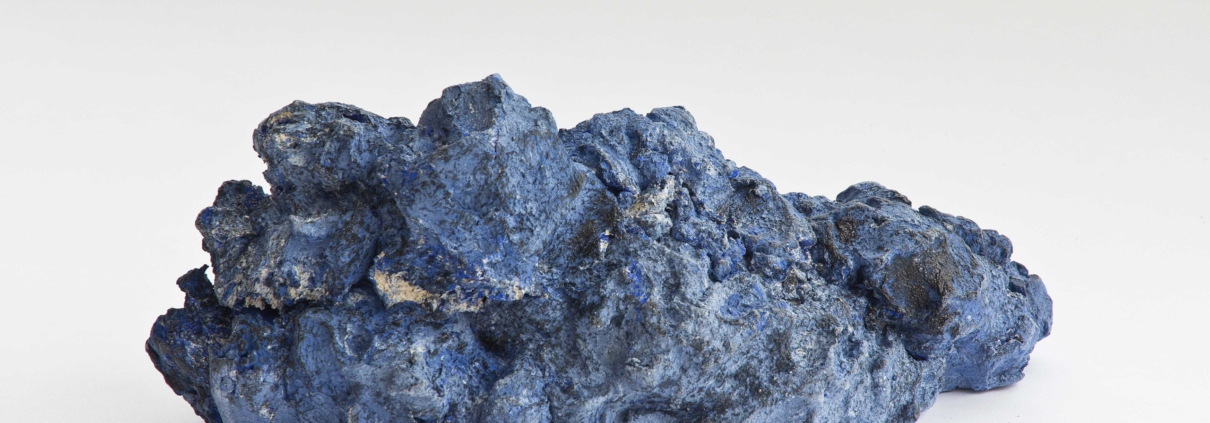
A reduction to distinct shapes, minimal colour schemes and unspectacular materials allows for a differentiated, detailed tracking.
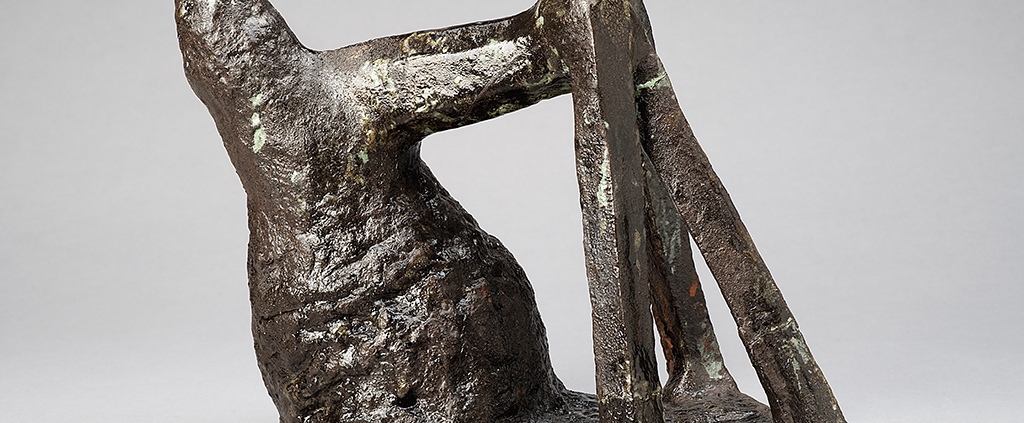
He was someone one met less at trade fairs and private viewings than in book shops. What does this tell us about Klaus Lehmann, who was long considered a “ceramist”? That his inter-ests were both wider and deeper than just supplying bowls and vases with aes-thetically pleasing forms and décor. Widely read in literature and philosophy, he was concerned with noth-ing less than the fundamental conditions and acts both of the material and of humankind …
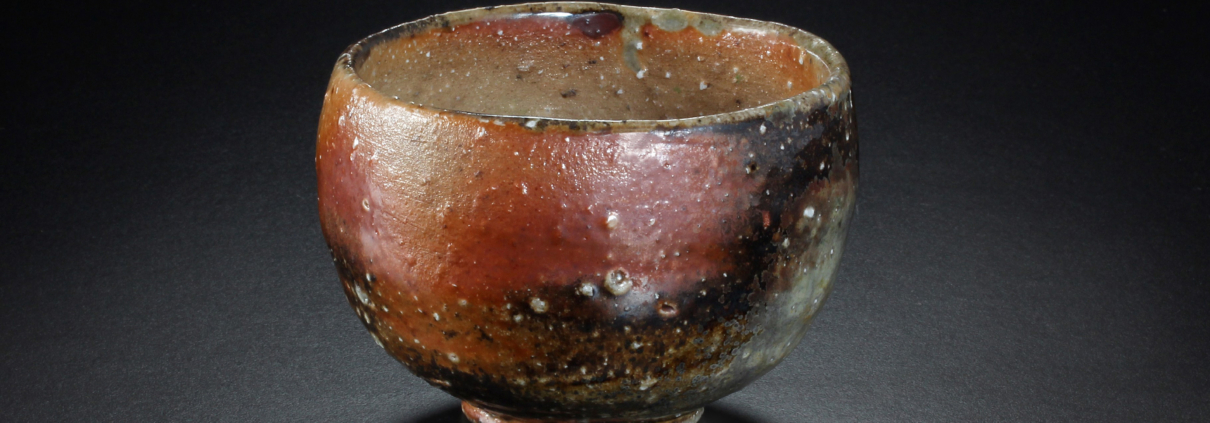
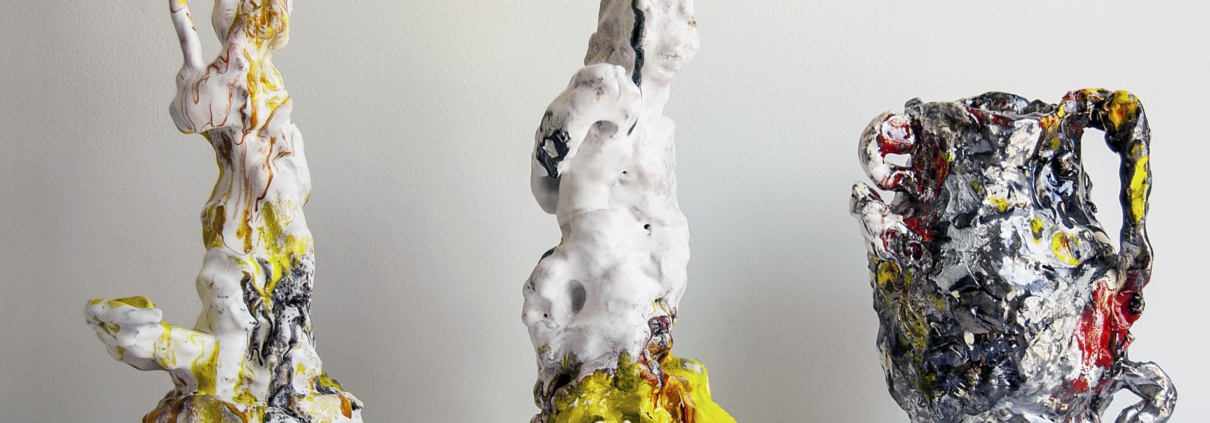
The flames touch the vessels, the wood ash flies through the kiln, sticks on the clay and melts slowly to a glaze.