Participation in the “ceramic brussels” fair in Brussels
presenting the works of Beate Kuhn
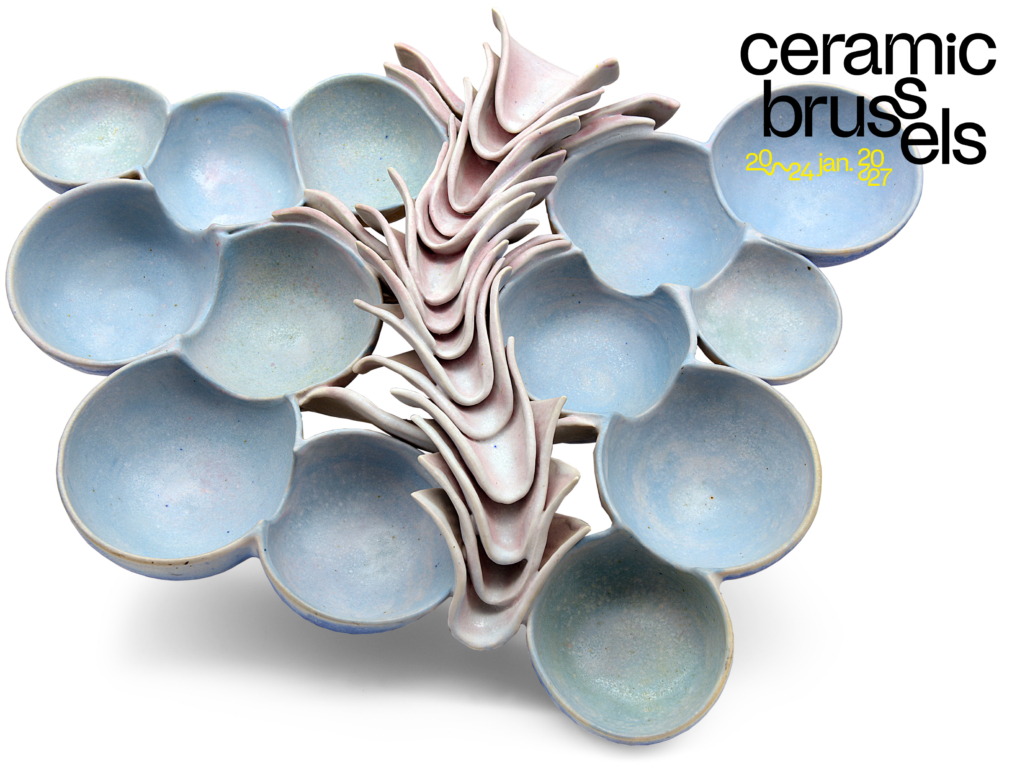
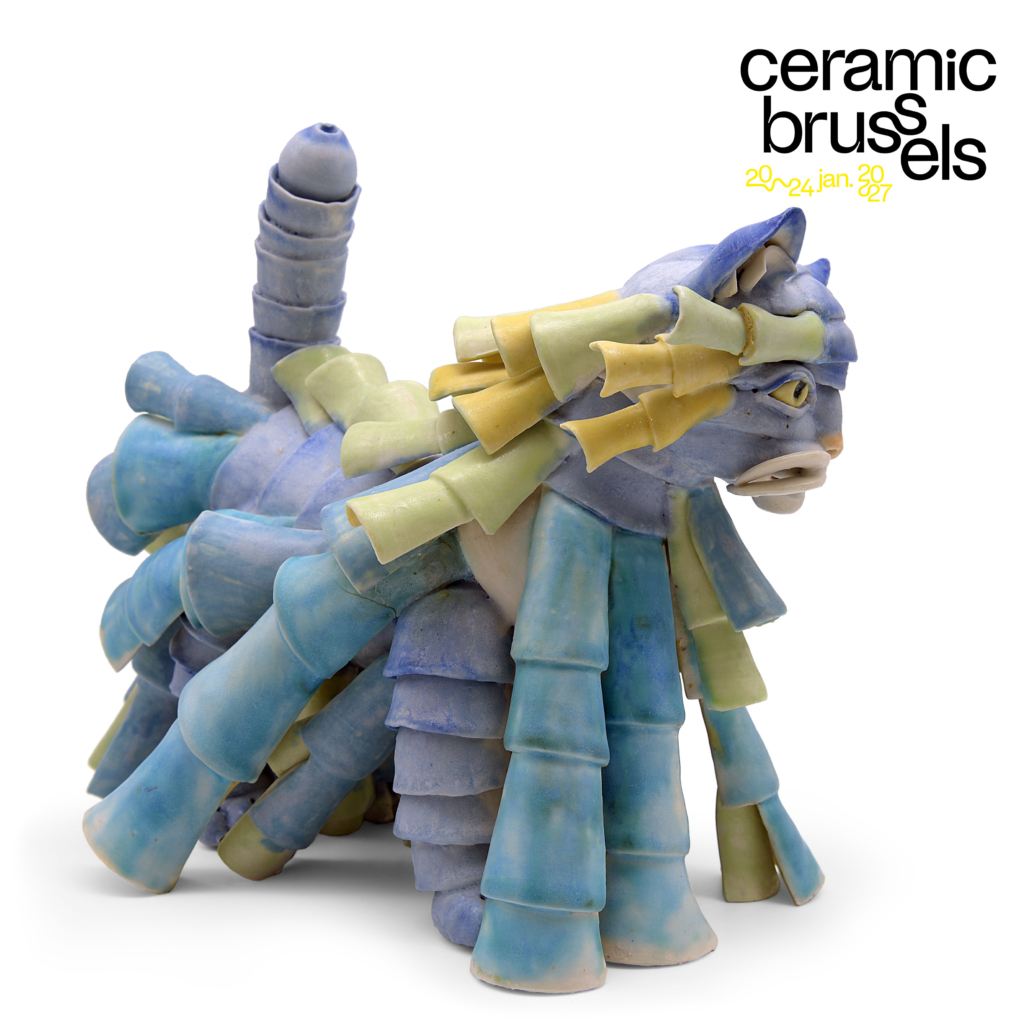
20. January – 24. January 2027 – Hall B, Booth B 10
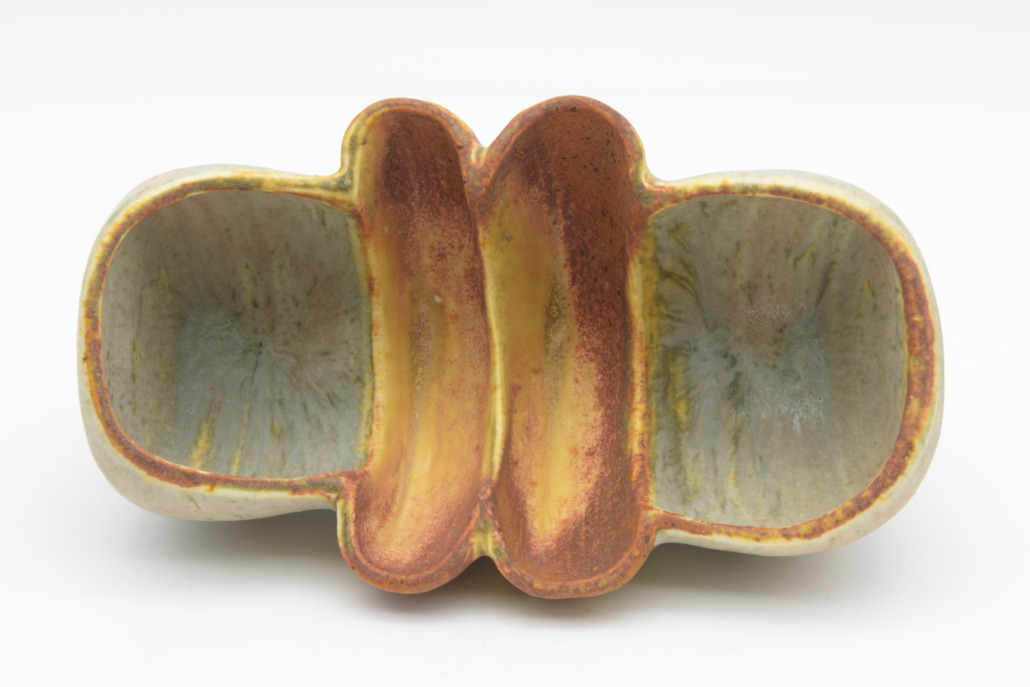
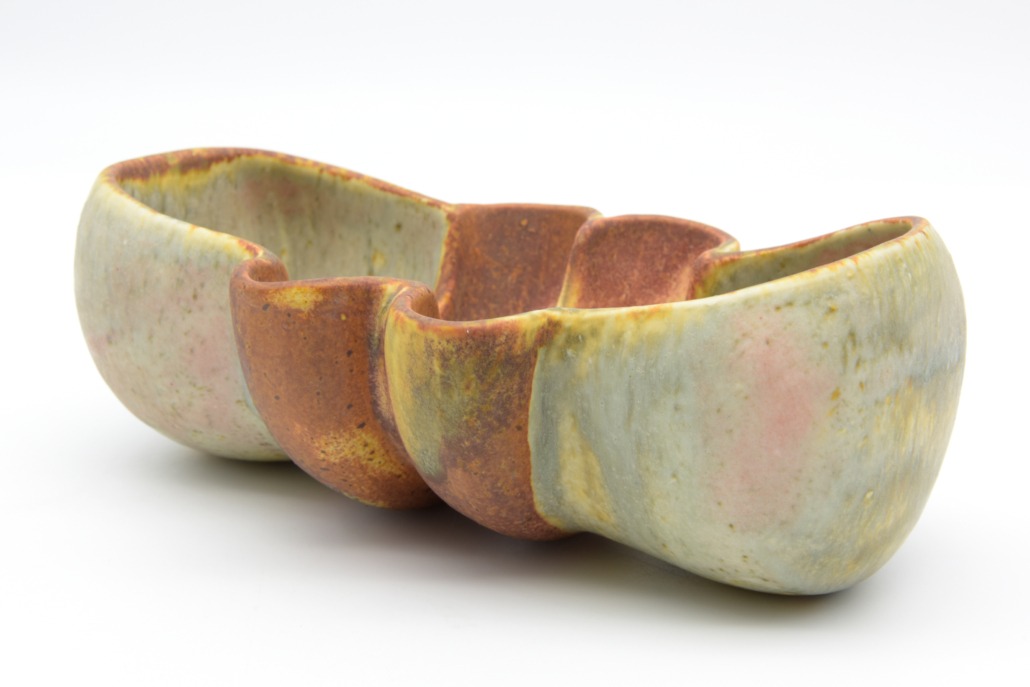
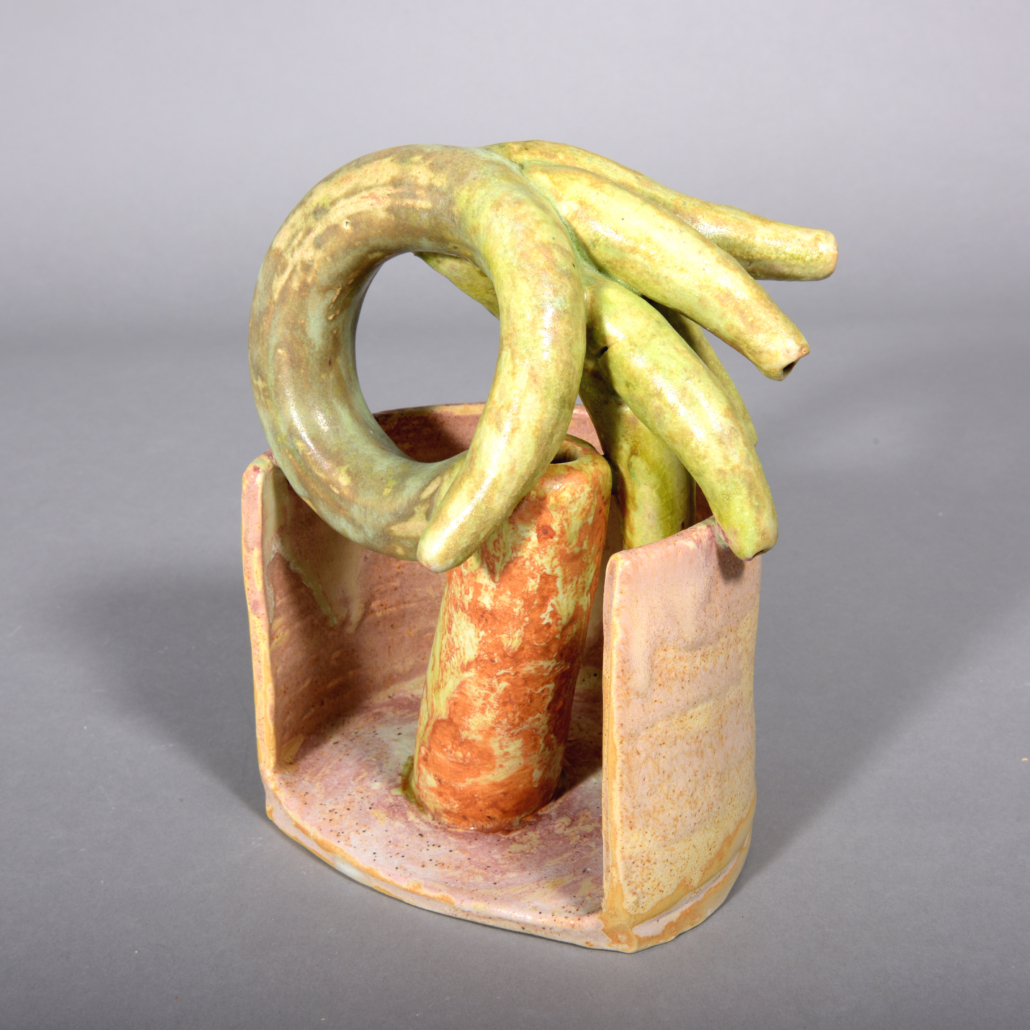
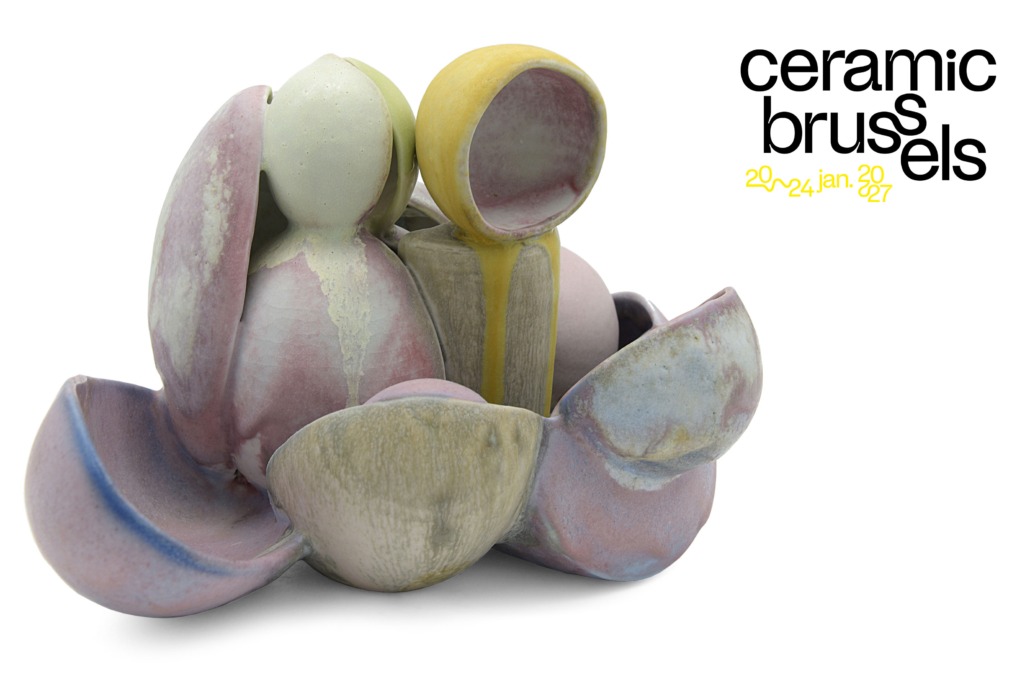
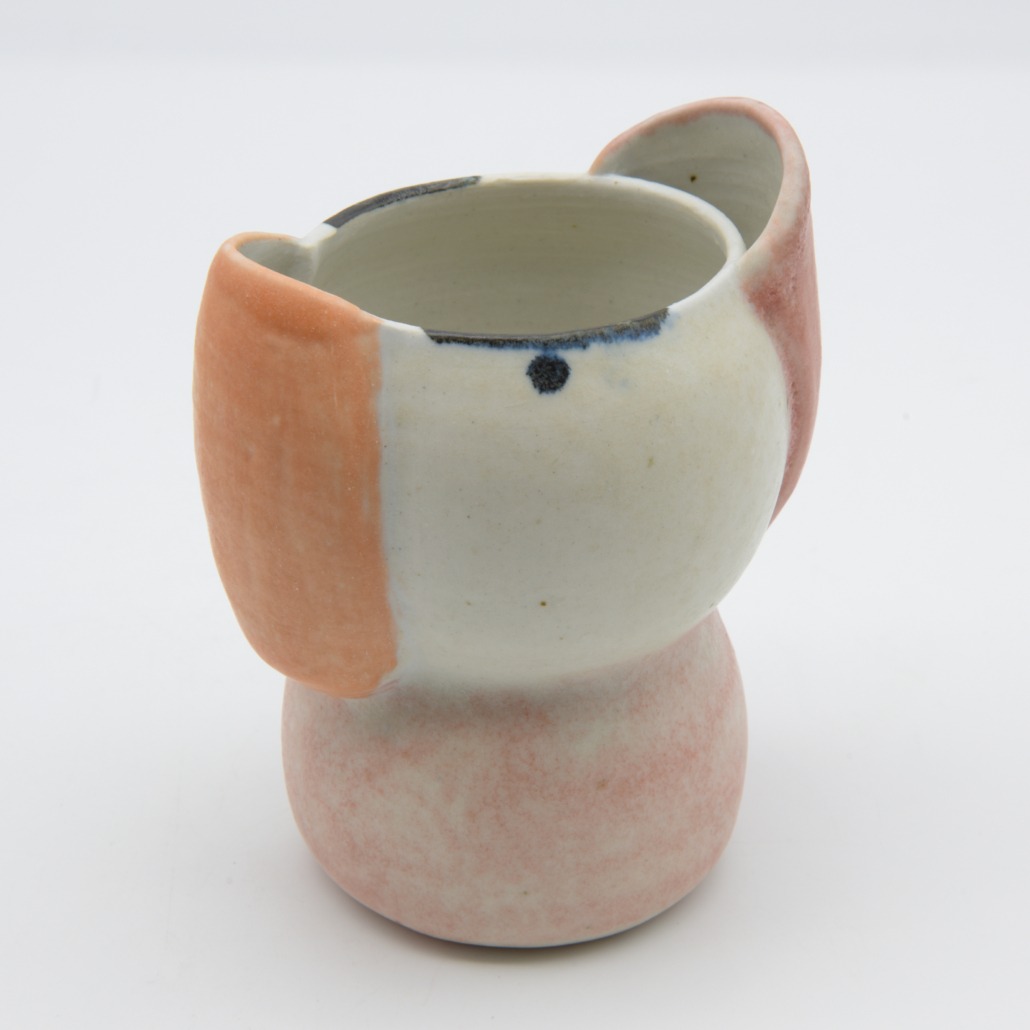
To mark the 100th anniversary of Beate Kuhn’s birth, Galerie Metzger presents a solo exhibition at Ceramic Brussels dedicated to the work of this major German ceramic artist.
invisible placeholder

invisible placeholder
Reflections by Jörg Johnen on BEATE KUHN, Oct. 5 26
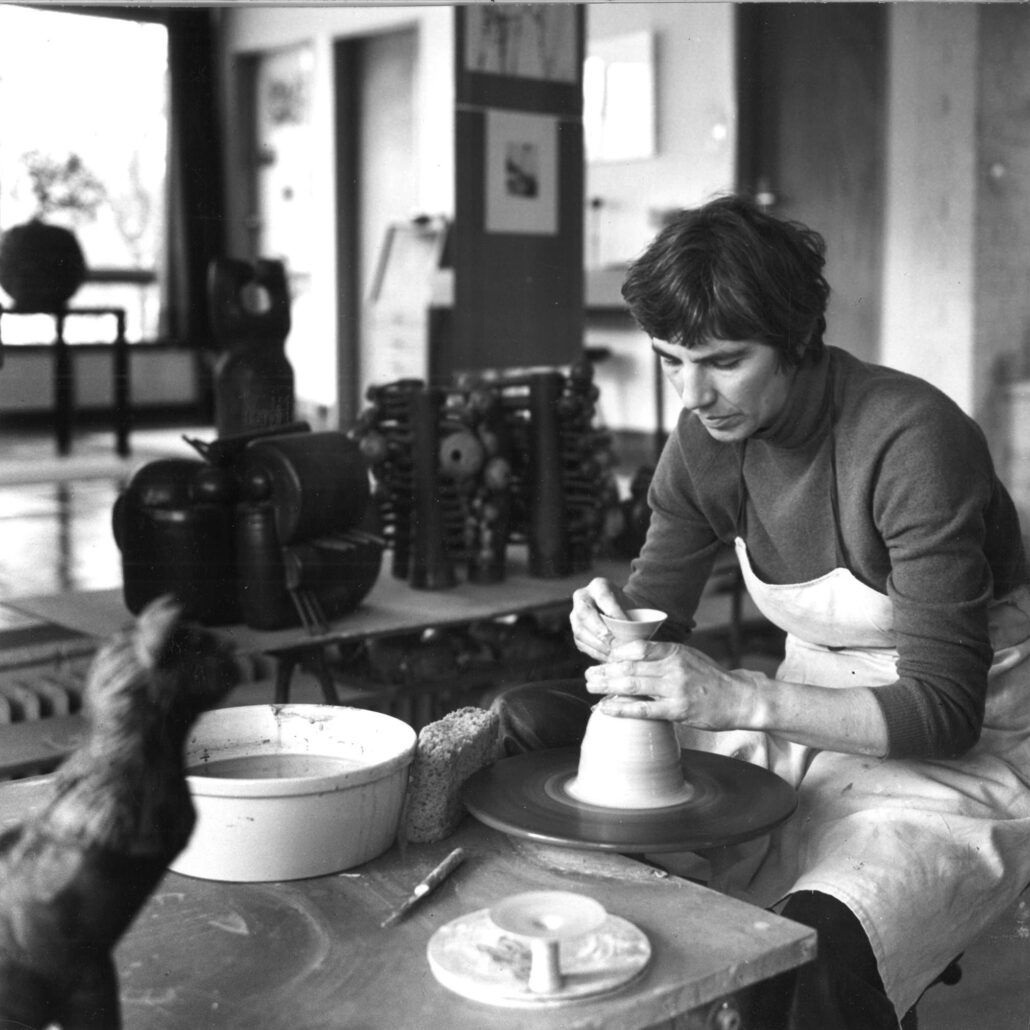
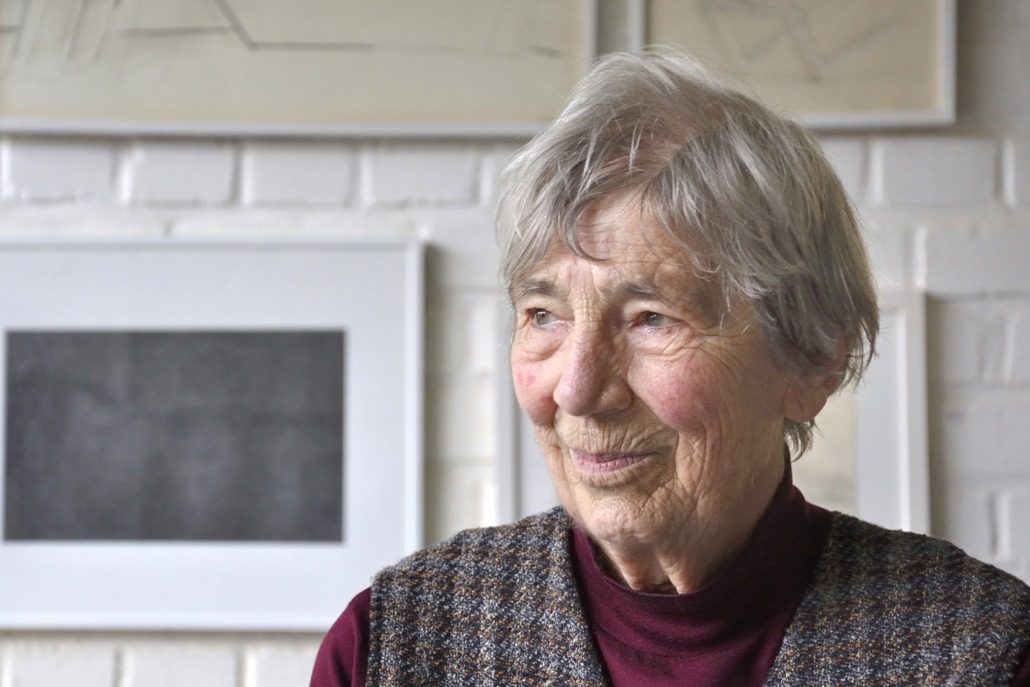
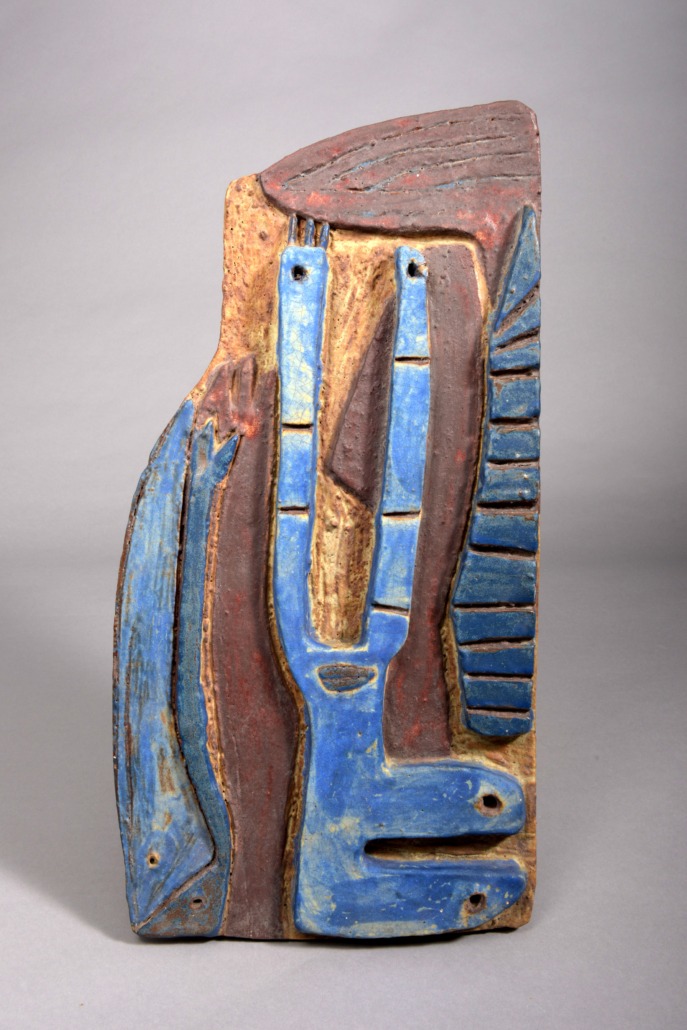
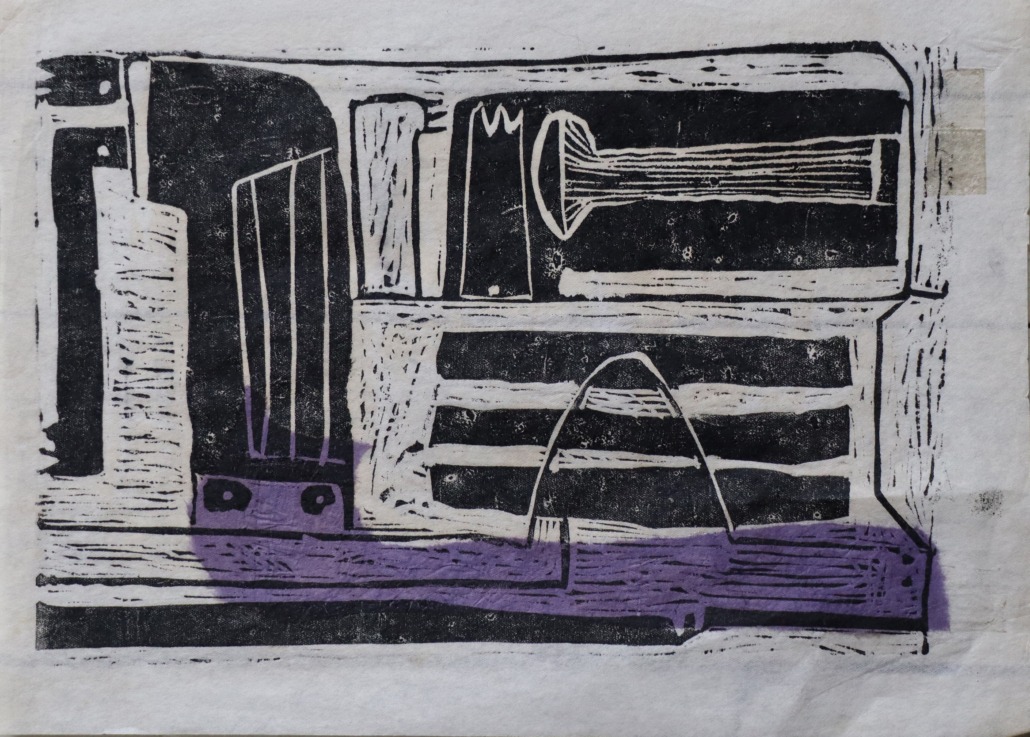
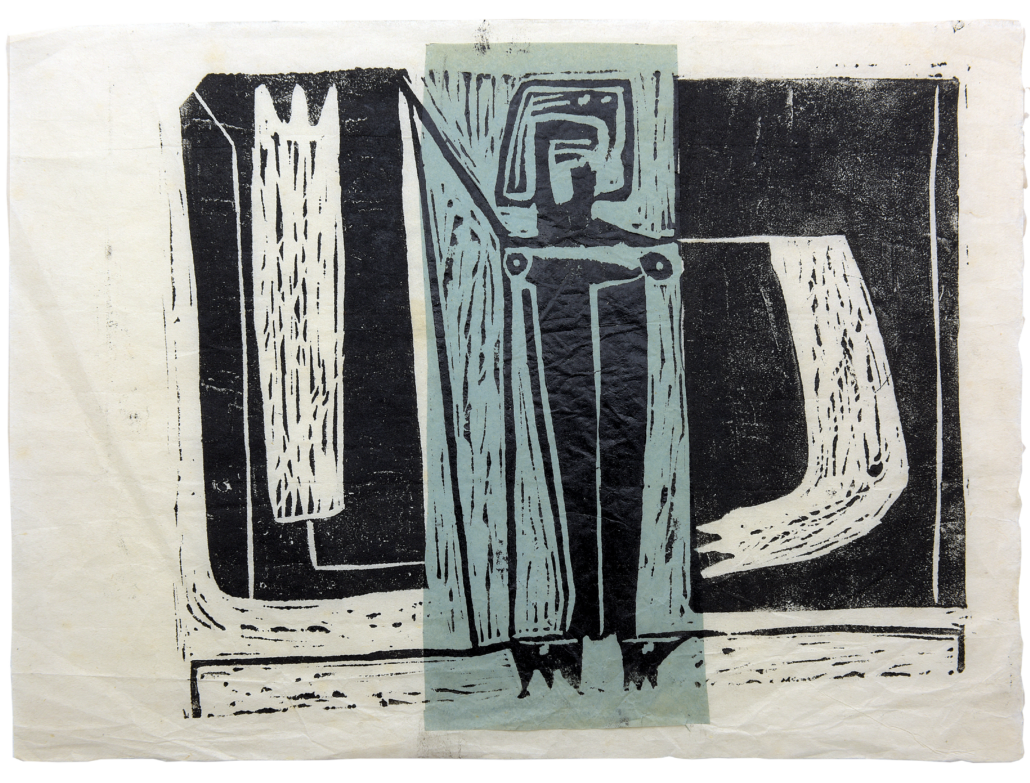
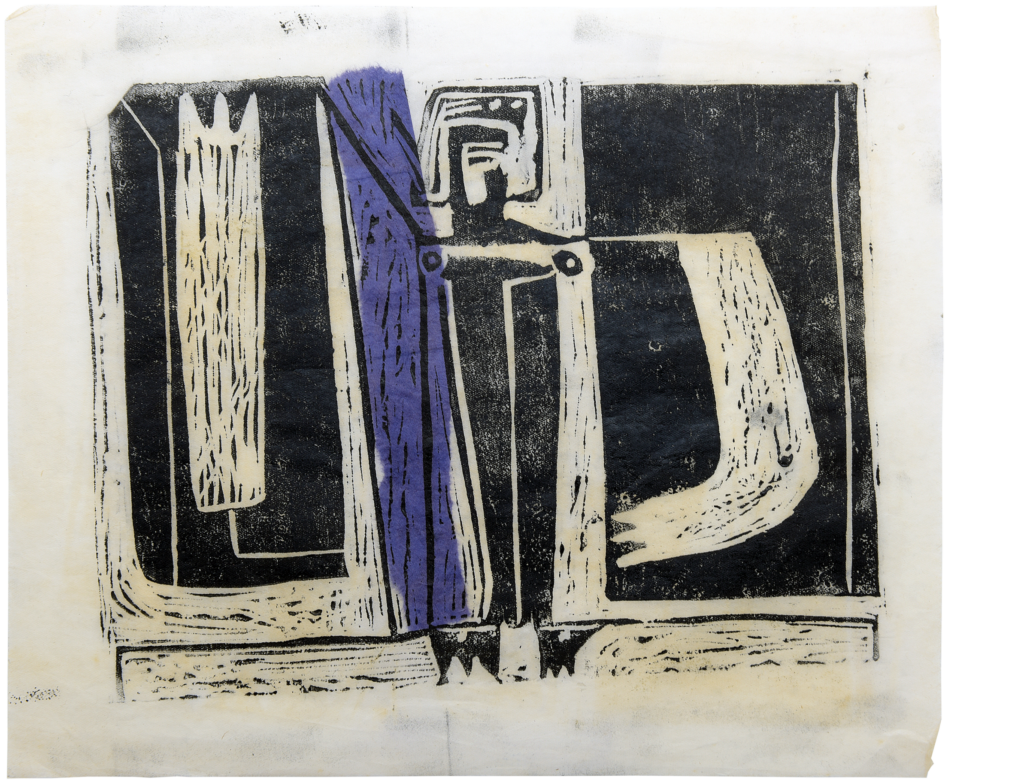
Beate Kuhn (1927–2015) poses a question to every museum, art historian, and collector: was she a ceramicist or an artist? In the 1950s, she received a solid education in the craft of pottery. At the same time, she developed a keen interest in contemporary art and music.
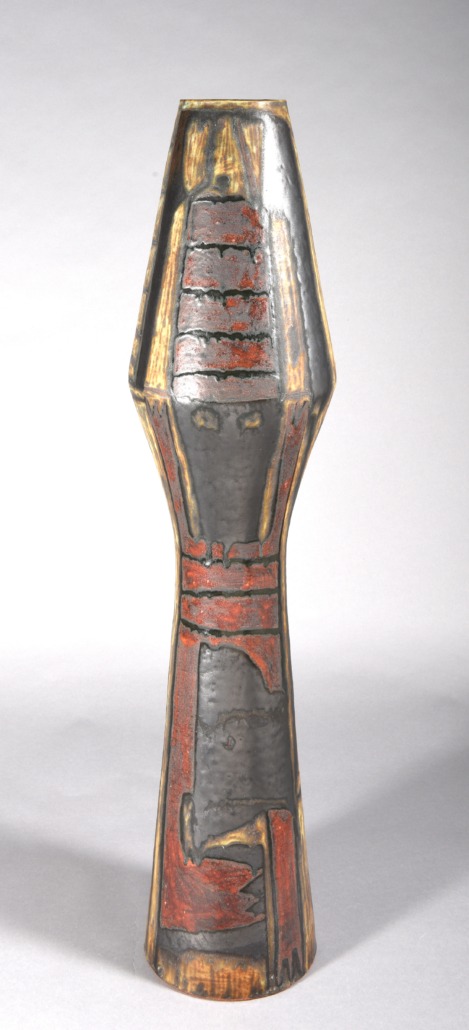
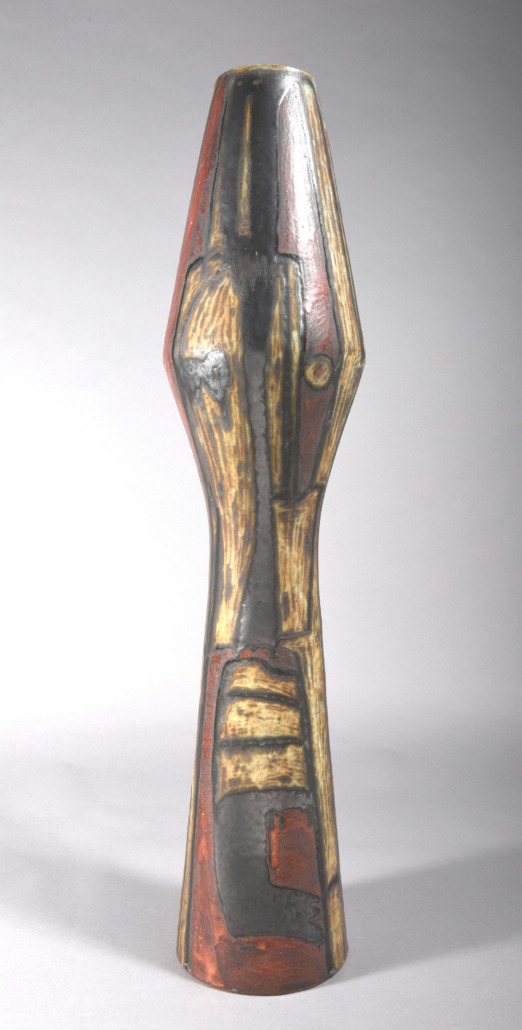
For Kuhn, the vessel became the starting point for a distinct sculptural language. Her work, therefore, cannot be understood solely through the history of ceramics; it must also be viewed within the context of 20th-century sculpture.
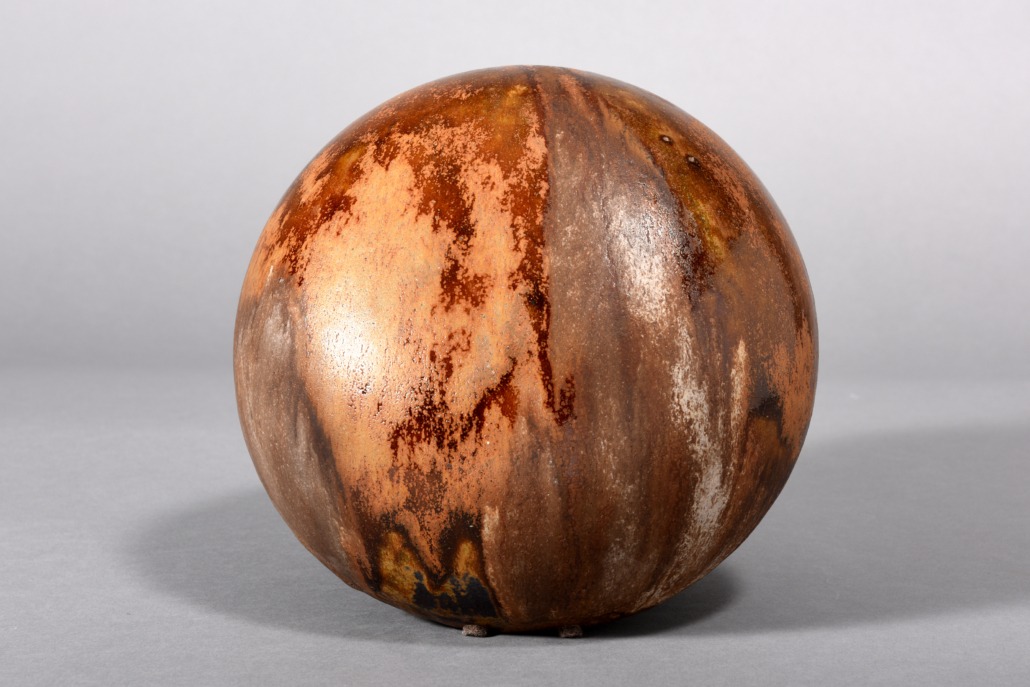
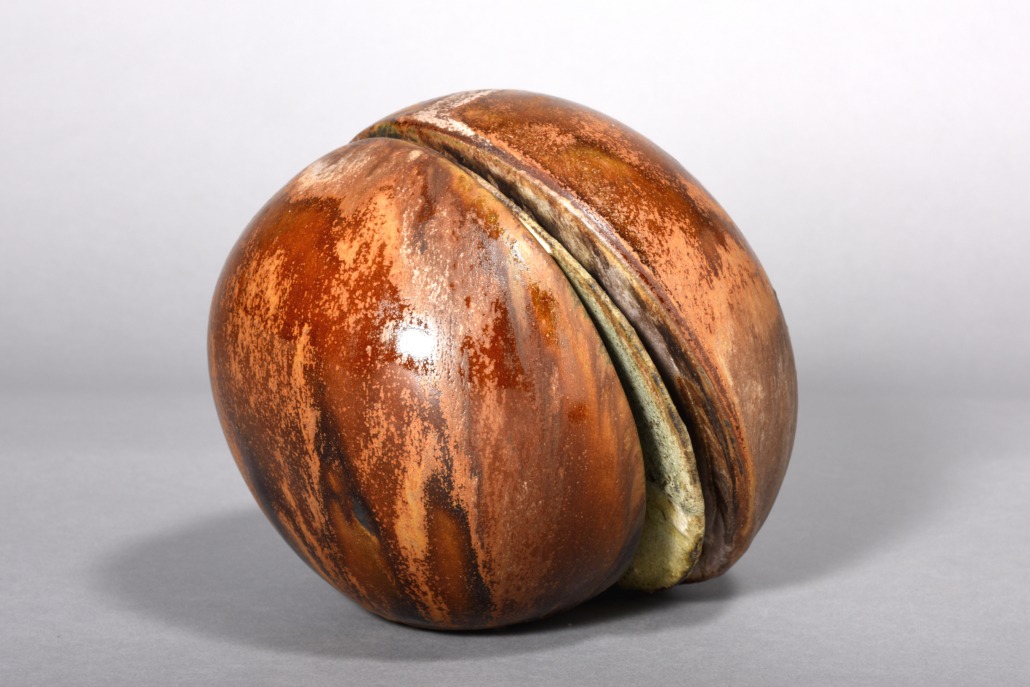
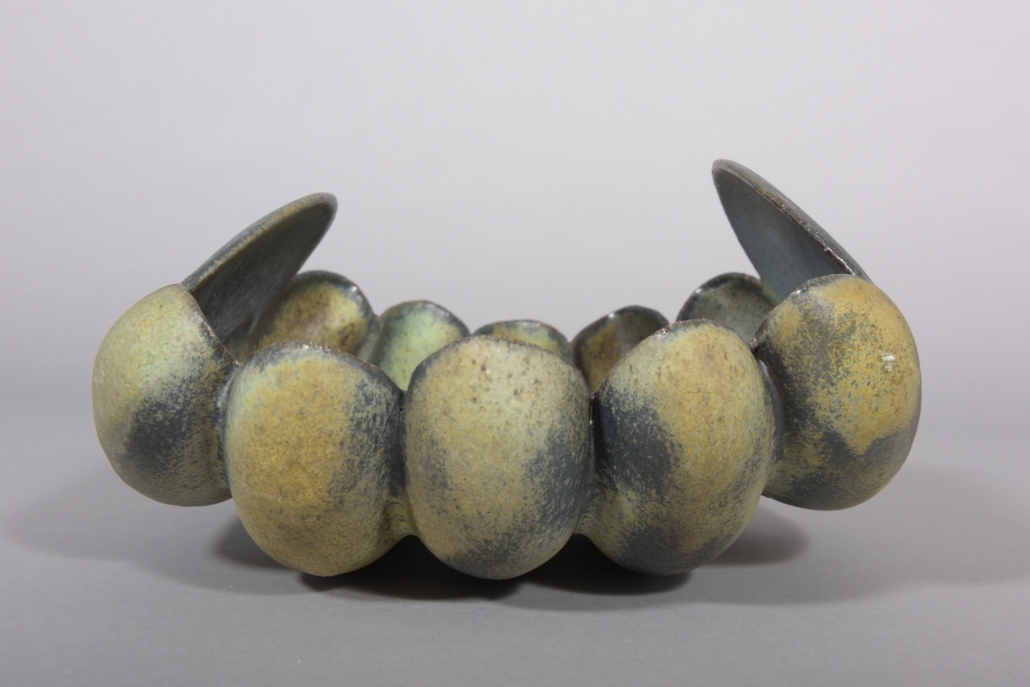
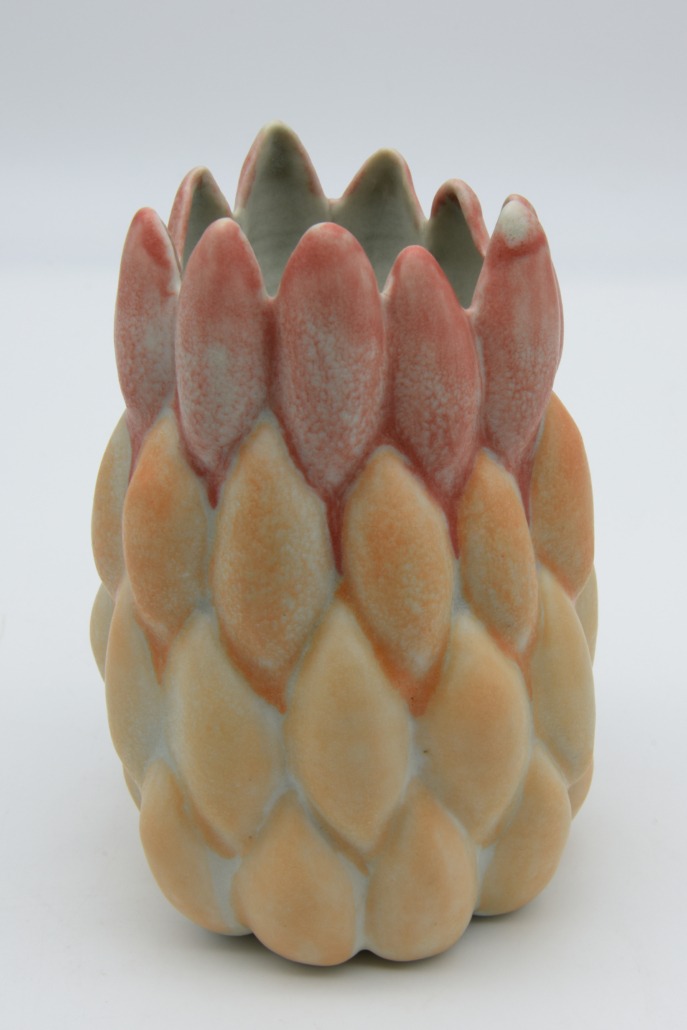
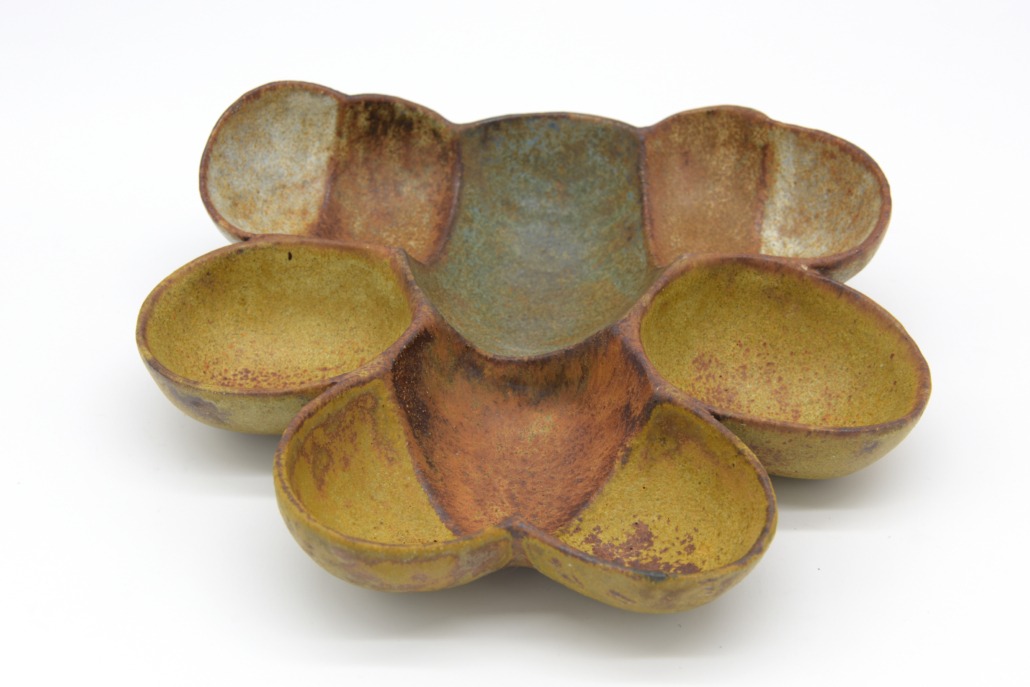
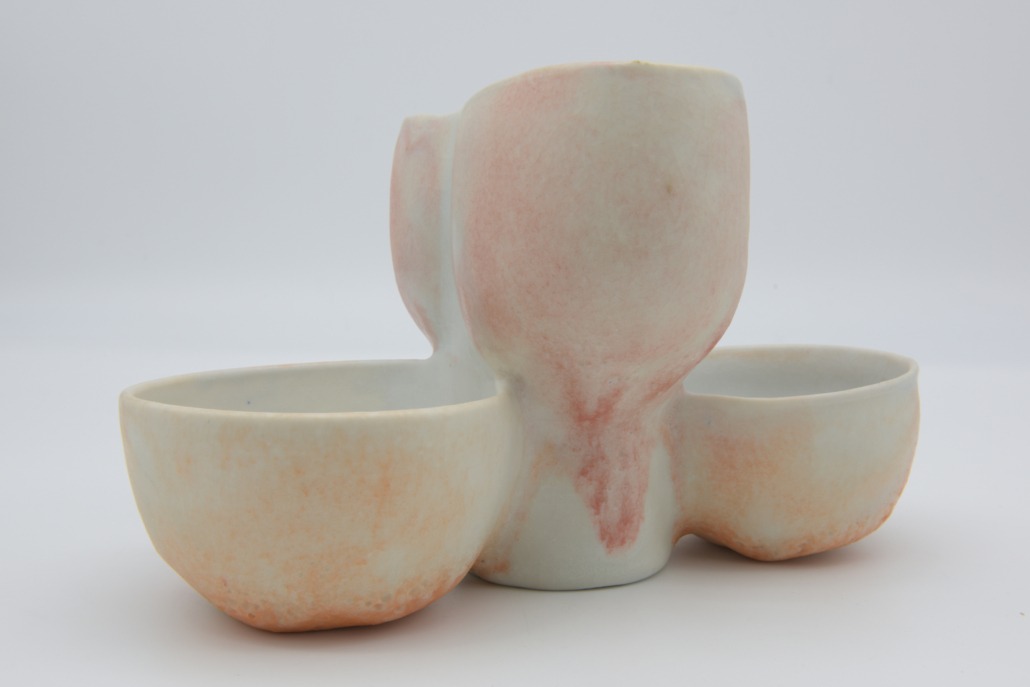
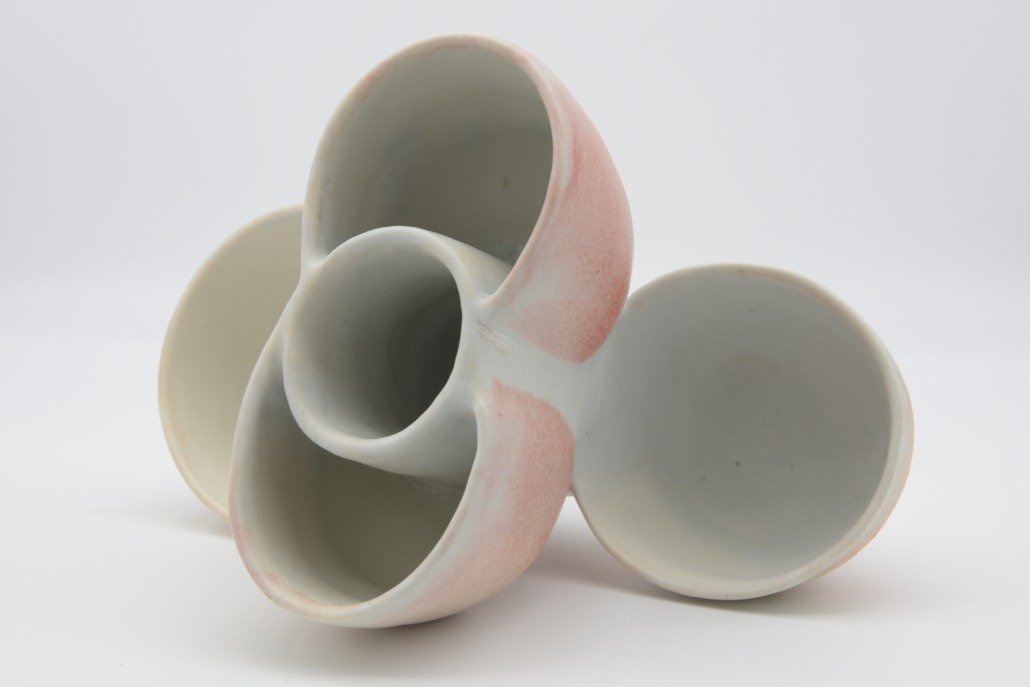
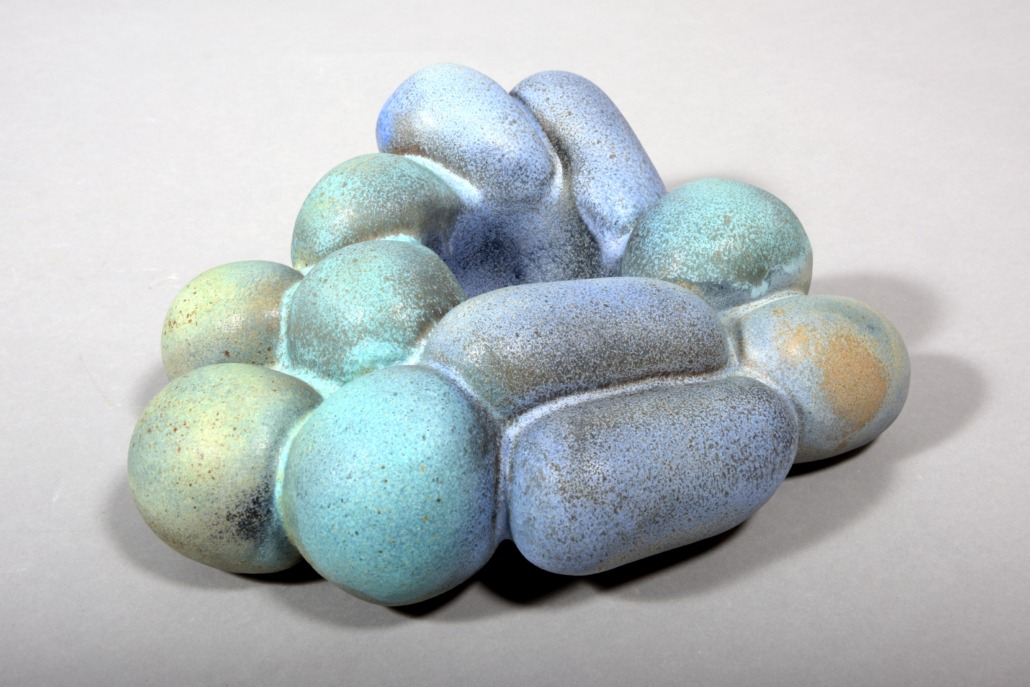
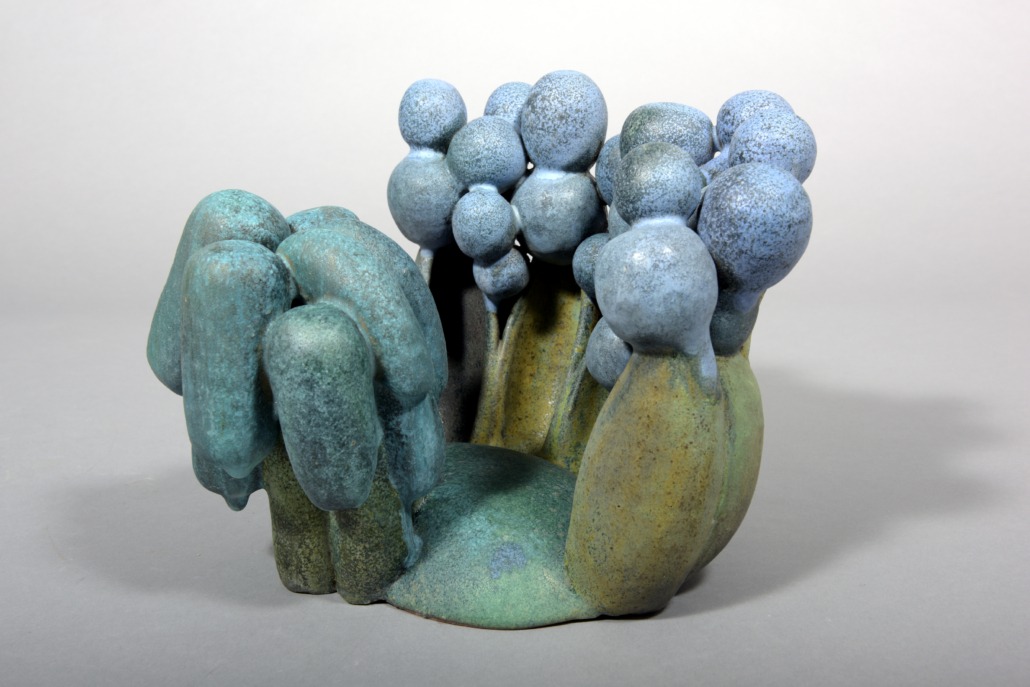
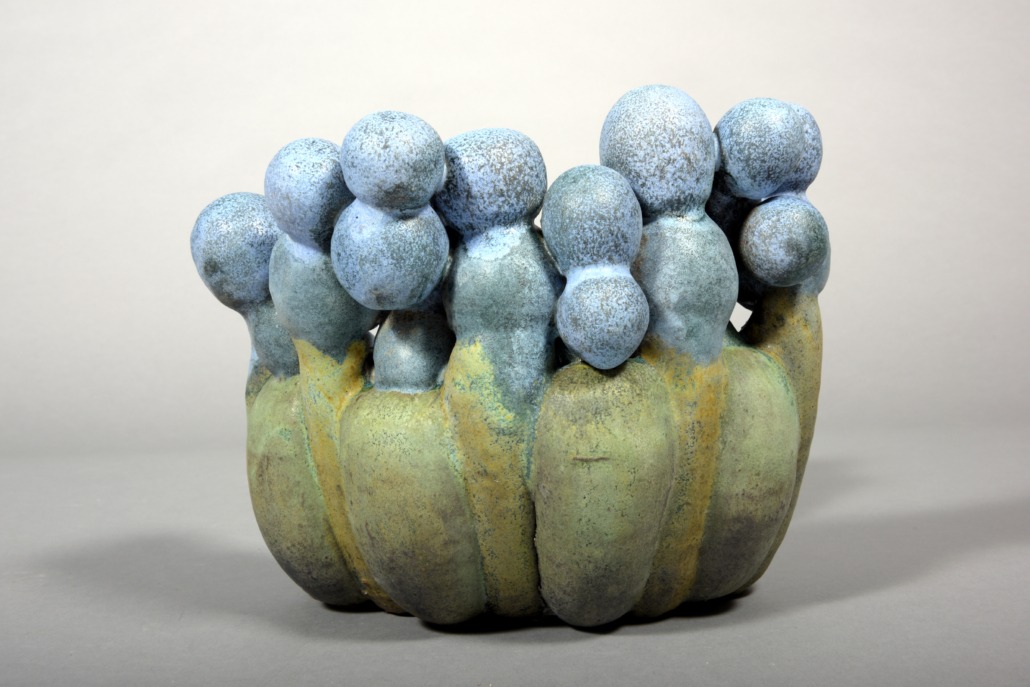
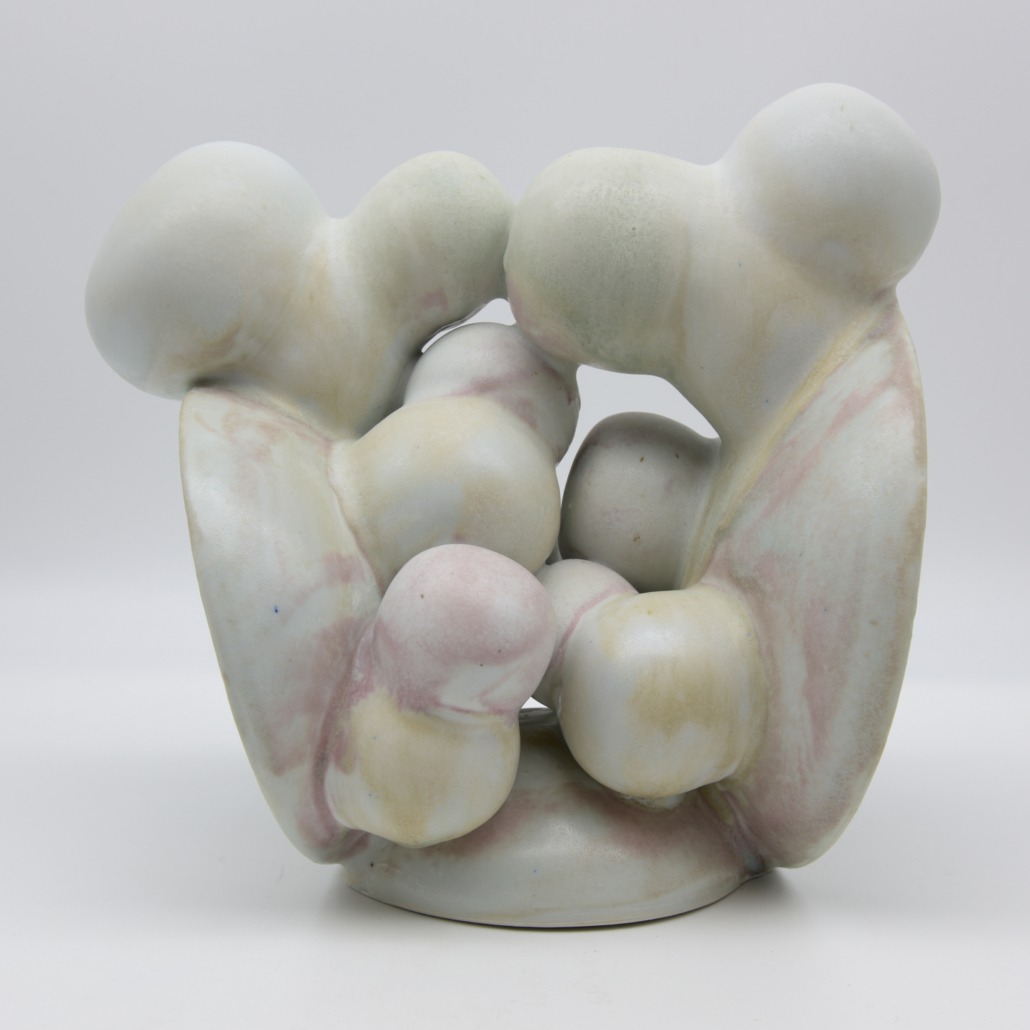
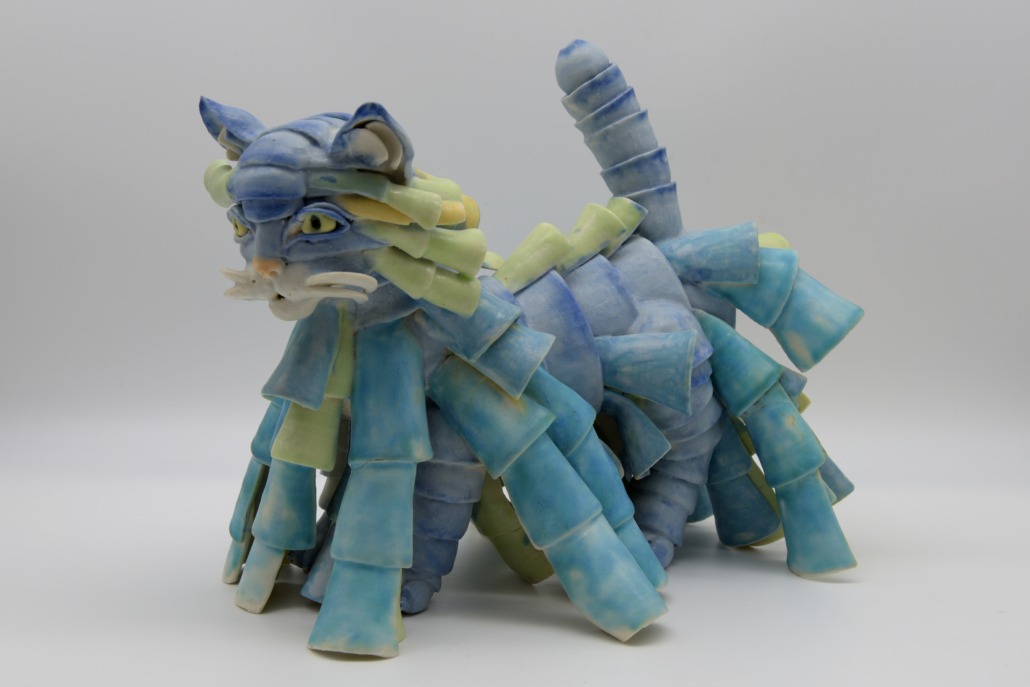
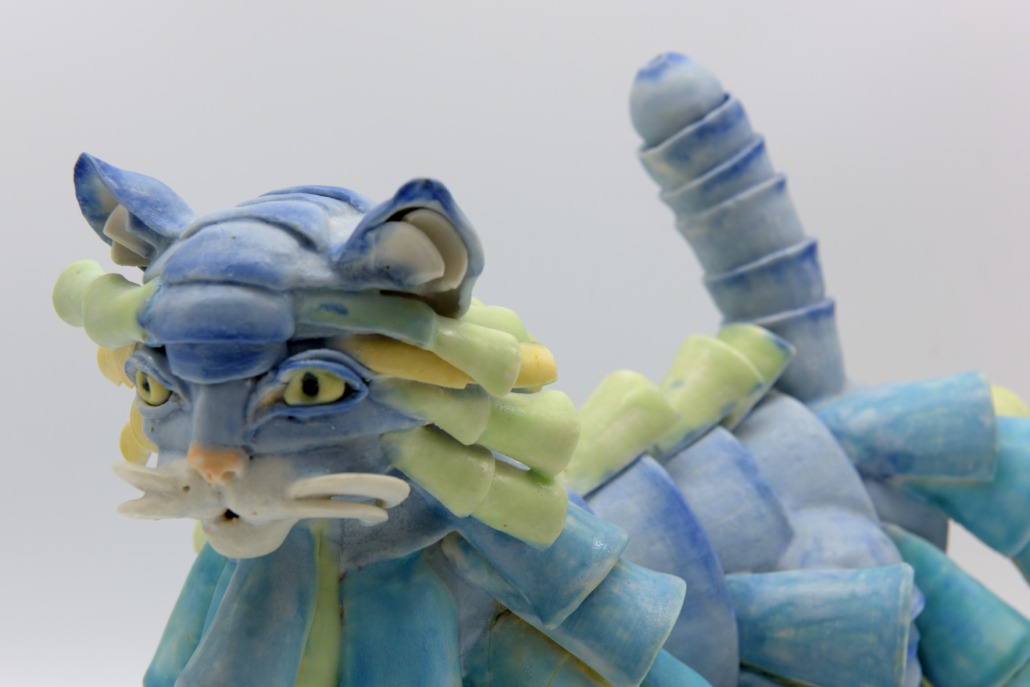
It was the freedom of art that led Beate Kuhn to become an artist. Her free, independent spirit required artistic liberty to experiment and explore new territory. Step by step, she combined impressions drawn from the infinite diversity of nature with the geometry of ceramic modules—such as cylinders, cones, spheres, discs, and bowl-like forms—which she crafted on the potter’s wheel.
This resulted in an almost infinite variety of forms and figures. In this way, a characteristic tension arises between geometric order and organic growth. Some works are reminiscent of blossoms, branches, seashells, corals, cellular structures, or unknown organisms.
Kuhn does not depict nature; rather, she adopts its structural principles: growth, repetition, variation, densification, and transformation. As a result, her sculptures appear both constructed and grown.
While the work of her renowned contemporary Lucie Rie (1902–1995) is defined by refined elegance and austerity, the work of Beate Kuhn is characterized by playful diversity and openness. From today’s perspective, this approach appears remarkably contemporary.
Beate Kuhn’s works transcend the long-standing division between ceramics, craft, and fine art. Instead, they exist within a broader context of biomorphic realms and surprising formal discoveries—ranging from the erotically seductive and the poetic to the humorous and the feminine—a quality that, in turn, links her to Louise Bourgeois.
Jörg Johnen
invisible placeholder



invisible placeholder
invisible placeholder
invisible placeholder